



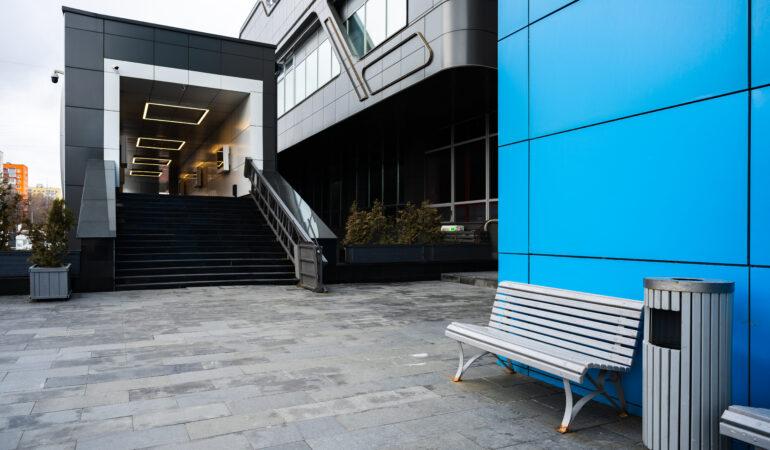
Communal areas shape how residents, prospective tenants, and visitors perceive an entire residential development. Shared entrances, lobbies, corridors, stairwells, and lifts are navigated multiple times every day—and when these spaces are neglected, the decline in property standards is immediately visible.
For block management companies, private landlords, and resident management companies (RMCs), communal cleaning requires a structured, measurable, and reliable service. Unclean hallways, sticky lift buttons, and overflowing bin stores generate frequent resident complaints and damage long-term asset values.
This guide provides a comprehensive communal area cleaning checklist and management framework to keep residential apartment blocks pristine, compliant, and well-maintained.
- What Constitutes a Communal Area?
- 1. Entrance Lobbies & Mail Areas
- 2. Corridors & Landings
- 3. Stairwells, Banisters & Handrails
- 4. Passenger Lifts & Control Panels
- 5. High-Touch Points & Internal Glazing
- 6. Refuse Stores & Exterior Boundaries
- Cleaners as Eyes & Ears: Defect Reporting
- Suggested Tiered Cleaning Schedule
- Frequently Asked Questions
What Constitutes a Communal Area?
Communal areas encompass all shared interior spaces accessible to multiple residents, guests, and delivery personnel. An effective contract explicitly details each zone:
- Main entrance halls, security vestibules, and intercom panels;
- Ground-floor lobbies, resident lounges, and concierge desks;
- Shared corridors and elevator lobbies across all floors;
- Main staircases, fire escape routes, and intermediate landings;
- Passenger and service lifts;
- Communal bin stores, recycling areas, and bike storage sheds; and
- Shared laundry facilities or communal washrooms where present.
1. Entrance Lobbies & Mail Areas
The ground-floor entrance takes the heaviest beating from foot traffic, wet weather, and courier deliveries.
Entrance & Lobby Checklist:
- Vacuum barrier entrance matting and lift-out recessed wells to remove grit and stones;
- Mop hard flooring (tiles, polished stone, laminate) with slip-resistant neutral floor cleaner;
- Clean and polish external and internal glass doors, vision panels, and sidelights;
- Sanitize intercom panels, access fobs, push-to-exit buttons, and door handles;
- Wipe down resident letterboxes and remove discarded junk mail or flyers;
- Dust window sills, radiator covers, and noticeboards; and
- Remove cobwebs from ceiling corners and entrance light fittings.
2. Corridors & Landings
Long residential corridors can quickly develop dust lines along skirting boards and traffic paths down the center of carpets.
- Vacuum communal carpets thoroughly using commercial upright HEPA-filter vacuums;
- Damp-wipe skirting boards, removing dust and scuff marks left by luggage or prams;
- Dust accessible electrical conduits, light switches, and emergency exit signs;
- Spot-clean fingerprints and smudges around apartment entrance door frames; and
- Check that fire doors are kept unobstructed and latch closed properly.
3. Stairwells, Banisters & Handrails
Stairs present significant slip and fall risks if dirt, moisture, or debris accumulate.
- Vacuum stair treads, carpet nosing, and risers from top to bottom;
- Dust and disinfect timber, brass, or stainless steel handrails and balustrades;
- Wipe down stringer boards and perimeter ledges; and
- Never leave mop water pooling on vinyl or stone steps—ensure proper drying and use warning signs.
4. Passenger Lifts & Control Panels
Lifts are compact, heavily used spaces that reflect the cleanliness of the entire building.
Lift Maintenance Tasks:
- Polish interior mirrors to a crystal-clear, smear-free finish;
- Wipe and sanitize stainless steel call buttons and interior control panels;
- Vacuum or mop lift floors, removing tracked-in dirt;
- Wipe stainless steel walls, handrails, and elevator doors; and
- Clear accumulated grit and dust from door runner tracks to prevent door-jamming faults.
5. High-Touch Points & Internal Glazing
Dozens of residents handle the same surfaces daily. Regular disinfection of main touchpoints—such as front door pull handles, communal window catches, and push plates—reduces cross-contamination across the building.
6. Refuse Stores & Exterior Boundaries
Shared bin areas frequently generate resident complaints regarding odours, fly-tipping, and pests.
- Sweep bin store floors to remove loose debris, dropped bags, and rubbish;
- Hose down or disinfect bin store floors periodically to neutralize spills and odours;
- Wipe bin handles and lockable access gates where agreed; and
- Note: Bulk furniture clearance (sofas, mattresses) and hazardous chemical waste sit outside standard cleaning and must be arranged as specialized removals.
Cleaners as Eyes & Ears: Defect Reporting
Because reliable cleaning operatives visit properties consistently, they serve as invaluable early-warning scouts for property managers. A proactive cleaning company provides immediate reports on:
- Failed corridor or emergency lighting bulbs;
- Water ingress, damp patches, or leaking ceiling pipes;
- Damaged fire door closers, broken locks, or broken window glass;
- Fly-tipped bulk items blocking fire escape routes; and
- Graffiti, vandalism, or signs of forced entry.
Suggested Tiered Cleaning Schedule
Recommended Frequency Structure:
Every Scheduled Visit (1–3 Times Per Week):
- Entrance lobby vacuuming, mopping, and glass door cleaning;
- Lift car sanitization, floor cleaning, and mirror polish;
- Main high-traffic stairwell and corridor vacuuming;
- Disinfection of front door handles, push plates, and lift buttons; and
- Litter removal and basic bin store tidy.
Monthly / Rotational:
- Full corridor skirting board and architrave wipe-down;
- High-level cobwebbing and light diffuser dusting; and
- Window sill and secondary stairwell detailed clean.
Periodic / Biannual:
- Deep hot-water extraction steam cleaning of all communal hallway carpets; and
- Jet-washing and enzyme treatment of communal bin stores.
Frequently Asked Questions
Q: How often should an apartment block’s communal areas be cleaned?
A: For small converted houses (3 to 6 flats), once weekly is common. For medium blocks (10 to 30 units), two to three visits weekly are recommended. Large developments (50+ units) typically require daily weekday cleaning.
Q: Can our communal cleaning contractor provide emergency spill response?
A: Yes, reputable contractors offer responsive call-outs for emergency spillages, flooding, or biohazard cleanups in communal hallways.
Q: How do property managers monitor cleaning standards remotely?
A: Through digital timestamped attendance verification, monthly supervisor audit scoring, and photo-verified completion reports.
Summary
A well-maintained communal block keeps residents satisfied, protects service charge investments, and maintains property values. Establishing an unambiguous room-by-room checklist supported by proactive defect reporting delivers consistent, professional standards.
Communal Area Cleaning for Property Managers with AmiraClean
At AmiraClean, we provide reliable, scheduled communal area cleaning for block managers, landlords, and housing associations across Kent and surrounding areas.
Enjoy dedicated cleaning operatives, regular supervisory quality audits, seamless defect reporting, and periodic deep carpet extraction services.
Telephone: 0333 880 0029 | Website: amiraclean.co.uk


