



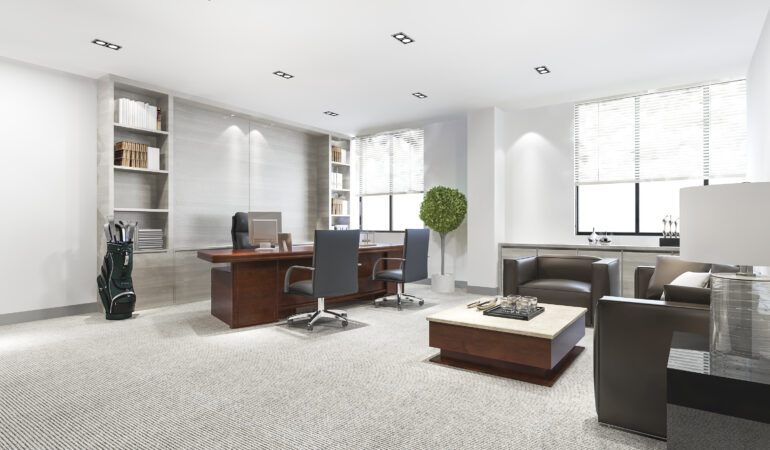
A clean office does much more than create a good first impression. The cleanliness of a workplace directly impacts how professional the business appears, the condition and lifespan of its facilities, the day-to-day experience of employees and visitors, and overall workplace health and hygiene.
One of the questions facilities managers and business owners frequently ask is: How often should an office actually be professionally cleaned?
There is no single cleaning frequency that suits every workplace. A boutique studio with five employees attending three days a week has vastly different requirements from a multi-storey corporate hub with 150 staff, daily client meetings, shared kitchens, and high-footfall washrooms.
The ideal schedule depends on occupancy, footfall, working patterns, facilities, visitor expectations, and how individual zones of the building are used. This comprehensive guide outlines how to determine an appropriate cleaning frequency for your office and build a schedule that targets resources where they are needed most.
- Why Regular Office Cleaning Matters
- Broad Cleaning Frequency Guidelines
- Key Factors Influencing Cleaning Schedules
- Area-by-Area Cleaning Priorities
- Structuring Daily, Weekly, and Periodic Tasks
- Cleaning Hours vs Cleaning Frequency
- Daytime vs Out-of-Hours Cleaning
- Hybrid Working and Seasonal Adjustments
- Signs Your Cleaning Schedule Needs Reviewing
- Frequently Asked Questions
Why Regular Office Cleaning Matters
Offices are intensive communal environments. Throughout a normal working day, dozens or hundreds of people interact with doors, workstations, shared kitchen surfaces, washroom fixtures, switches, and equipment.
Footwear tracks in exterior dirt, road grime, and rainwater. Bins fill quickly. Food is prepared and consumed at desks or break areas. Dust settles on hardware and high surfaces. Over time, high-touch points become hubs for cross-contamination.
A structured, professionally managed office cleaning programme ensures your business can:
- Maintain a pristine, welcoming, and productive working environment;
- Actively manage hygiene across high-contact communal surfaces;
- Prevent dirt, grime, and dust from becoming ingrained in fabrics and flooring;
- Maintain sanitized and fully stocked washrooms and tea points;
- Eliminate lingering food odours and stale air;
- Protect expensive commercial carpets, hard flooring, and office fixtures;
- Present an impeccable, trustworthy image to clients, partners, and candidates;
- Identify facilities faults or maintenance leaks early; and
- Sustain consistent health and safety standards across all seasons.
Preventative vs Reactive: An effective cleaning programme is preventative rather than reactive. If you only clean when an office looks visibly dirty, dirt has already accumulated, hygiene has slipped, and materials may have suffered premature wear.
Broad Cleaning Frequency Guidelines
While specifications should always be tailored to your specific site, industry benchmarks provide a helpful starting point:
- Small, low-occupancy offices (up to 10 people): Professional cleaning 1 to 2 times per week is often sufficient, provided daily basic tidiness and food waste are managed.
- Small-to-medium offices with regular weekday occupancy (10–50 people): Cleaning 3 to 5 times per week ensures washrooms, kitchens, and high-traffic floors remain fresh and hygienic.
- Busy offices with high daily occupancy (50+ people): Cleaning every working day (5 days per week) is generally standard practice.
- Large corporate headquarters or high-footfall sites:Daily out-of-hours cleaning plus dedicated daytime janitorial support for washrooms, kitchen replenishment, spill response, and reception management.
Key Factors Influencing Cleaning Schedules
Square footage alone does not dictate cleaning requirements. Two 4,000 sq ft offices will have completely different cleaning requirements if one houses 8 desk workers and the other accommodates 60 staff with client visits.
1. Daily Occupancy & Headcount
Higher occupancy directly multiplies washroom visits, bin volume, kitchen appliance usage, touchpoint contacts, and floor scuffs. Always assess how many people physically use the building on a typical day.
2. Hybrid Working Patterns
With modern hybrid schedules, attendance often fluctuates dramatically across the week:
- Mondays & Fridays: Frequently operate at 25%–40% capacity.
- Tuesdays, Wednesdays & Thursdays: Typically peak at 80%–100% attendance.
Rather than treating every day identically, flexible cleaning arrangements can allocate more cleaning hours to peak days and streamline routines on quiet days.
3. Visitor & Client Footfall
Workplaces that regularly host clients, interviews, sales pitches, or patient consultations require consistently pristine front-of-house areas, meeting rooms, and executive washrooms that never show signs of prior use.
Area-by-Area Cleaning Priorities
The smartest commercial cleaning specifications treat an office as distinct functional zones, each with its own service frequency:
Washrooms (Highest Priority — Daily or Multiple Daily Checks)
Washrooms deteriorate faster than any other office space. In high-occupancy workplaces, waiting until evening cleaning is often not enough. A standard washroom service includes:
- Thorough sanitization of toilet bowls, seats, flush handles, and urinals;
- Deep cleansing and polishing of washbasins, vanity tops, and taps;
- Replenishment of hand soap, paper towels, and toilet tissue;
- Smear-free polishing of mirrors and stainless steel fittings;
- Sanitization of door handles, cubicle locks, and hand-dryer touchpoints;
- Emptying sanitary and general waste bins; and
- Mopping and disinfecting tiled floors with appropriate slip-resistant solutions.
Kitchens, Canteens & Tea Points (Daily)
Shared break spaces accumulate food crumbs, grease, coffee spills, and strong odours. Daily cleaning tasks include:
- Disinfecting worktops, dining tables, food-prep surfaces, and splashbacks;
- Scrubbing and descaling stainless steel sinks and draining boards;
- Wiping down exterior appliance surfaces (microwaves, kettles, coffee machines, fridges);
- Emptying and relining general waste and food-waste bins; and
- Sweeping and damp-mopping hard flooring to remove sticky residues.
Reception & Entrance Lobbies (Daily)
As the visual face of your business, reception areas must look spotless at all times. Priority items include vacuuming barrier matting, polishing glass entry doors, wiping reception counters, tidying visitor seating, and wiping touchpoints.
Desks & Workstations (1–3 Times Per Week or Scheduled Days)
Workstation cleaning depends heavily on company policy. Where businesses operate a clear-desk policy, cleaners can safely sanitize desk surfaces, telephone handsets, and monitor stands. If desks are covered in confidential paperwork and personal belongings, cleaning may be restricted to accessible surface wiping and carpet vacuuming around chairs.
Meeting Rooms & Boardrooms (As Used / 2–5 Times Per Week)
Conference rooms require periodic resetting: wiping conference tables, dusting presentation displays, removing used cups or glasses, vacuuming crumbs, and straightening chairs so the room is always client-ready.
Structuring Daily, Weekly, and Periodic Tasks
Rather than attempting every task during every visit, successful office maintenance uses a layered schedule:
The Layered Office Cleaning Model
- Daily Tasks: Washrooms, kitchens/tea points, food waste & main bins, reception presentation, high-traffic floor vacuuming/mopping, communal door handles and light switches.
- Weekly Tasks: Detailed desk dusting, low-traffic offices, skirting board wiping, internal partition glass spot-removal, window sills, and secondary meeting rooms.
- Monthly / Periodic Tasks: High-level vent dusting, deep descaling of washroom sanitaryware, internal window glazing, upholstery vacuuming, and detailed edging.
- Specialist Periodic Services: Hot-water extraction carpet cleaning, external window cleaning, and comprehensive deep sanitization.
Cleaning Hours vs Cleaning Frequency
Cleaning frequency (days per week) is only half the equation; cleaning hours represent the actual service capacity.
For example, receiving cleaning 5 days a week for 1.5 hours (7.5 total hours) provides very different results from receiving 3 visits per week of 4 hours each (12 total hours). In smaller offices, fewer visits with sufficient allocated time often produce higher standards than a rushed daily visit.
Daytime vs Out-of-Hours Cleaning
Choosing when cleaners attend depends on your operational workflow:
Evening or Early-Morning Cleaning (Out of Hours)
- Pros: Zero distraction for desk workers; unrestricted access to all offices and boardrooms; vacuums can run freely; floors dry without foot traffic hazards.
- Requirements: Secure keyholding protocols, alarm code management, and trusted vetted cleaning staff.
Daytime Janitorial Support
- Pros: Immediate response to kitchen spills, continuous washroom replenishment, and visible commitment to workplace hygiene.
- Best Suited For: High-occupancy corporate buildings, co-working spaces, and multi-tenant offices.
Hybrid Working and Seasonal Adjustments
Workplace demands fluctuate throughout the year:
- Autumn & Winter: Wet weather increases mud and grit tracked onto carpets. Winter cold and flu seasons require heightened focus on door handles, lift buttons, and hygiene consumables.
- Spring & Summer: Open windows and higher pollen levels mean window sills and desk surfaces collect dust faster, while bins with fruit or food waste require prompt daily clearance.
Signs Your Cleaning Schedule Needs Reviewing
It may be time to increase your cleaning frequency or restructure your specification if you notice:
- Washrooms or kitchen bins running out of paper or overflowing before mid-day;
- Lingering kitchen odours welcoming visitors in the morning;
- Visible dust on IT monitors, cables, and skirting boards;
- Persistent grimy traffic lanes on entrance carpets;
- Cleaners consistently running out of time before completing their checklist; or
- Employees routinely voicing complaints about workspace hygiene.
Frequently Asked Questions
Q: Is once-a-week cleaning ever enough for an office?
A: For small studios or private consultancies with 1 to 5 desk-based staff working part-time, once weekly can work—provided staff empty food waste daily. For larger or full-time offices, once a week is rarely sufficient.
Q: How often should commercial office carpets be professionally steam cleaned?
A: High-traffic commercial carpets should typically receive professional hot-water extraction cleaning every 6 to 12 months, with entrance matting and corridors receiving quarterly spot attention.
Q: Can our cleaning frequency be adjusted seasonally or as our team grows?
A: Yes. A professional cleaning contract should always offer flexible service reviews, allowing you to scale hours up or down based on office headcount and seasonal footfall.
Summary
Determining how often your office should be cleaned requires balancing headcount, footfall, facilities, and brand presentation. By structuring your contract around high-priority zones—such as daily washrooms and kitchens paired with rotational desk and periodic carpet care—your workplace remains healthy, pristine, and inspiring every single day.
Professional Office Cleaning with AmiraClean
At AmiraClean, we tailor our office and commercial cleaning services around your exact premises, headcount, and schedule across Kent and surrounding regions.
From flexible 2-to-5 day weekly cleaning schedules to out-of-hours contracts and periodic deep carpet treatments, our fully insured, vetted cleaning specialists deliver consistent, spotless results.
Telephone: 0333 880 0029 | Website: amiraclean.co.uk


