



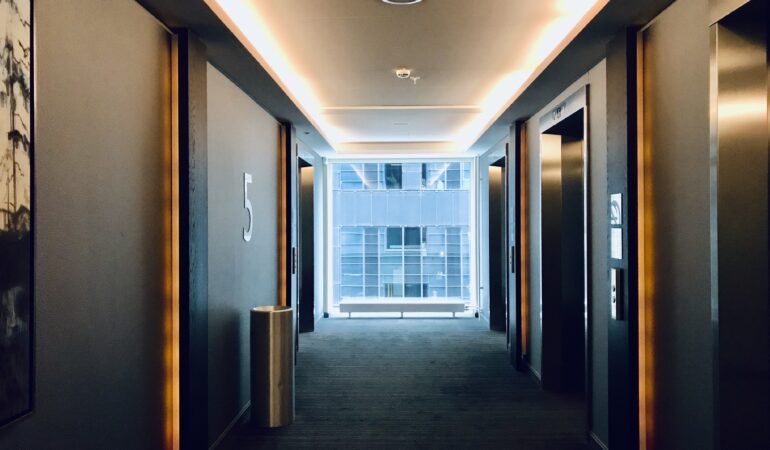
Determining how often communal areas in a residential block should be professionally cleaned depends less on the theoretical number of flats on an architectural drawing and far more on how the shared spaces are actually used day to day.
A quiet converted Victorian townhouse with four private flats will have vastly different cleaning needs from a modern four-storey apartment block with 40 units, twin passenger lifts, constant parcel couriers, and busy family footfall.
For property managers, freeholders, and Resident Management Companies (RMCs), striking the right balance between service charge expenditure and resident satisfaction is critical. This guide breaks down the key factors that dictate cleaning frequency and how to build a flexible, efficient schedule.
Core Factors That Determine Cleaning Frequency
Rather than adopting an arbitrary schedule, assess your building against these practical criteria:
- Resident & Unit Numbers: Sheer resident headcount multiplies hallway traffic, shoe dirt, and waste output;
- Daily Delivery Volumes: Modern online shopping means parcel couriers walk through entrances dozens of times a day with trolleys and wet boots;
- Presence of Passenger Lifts: Enclosed lift cars concentrate dirt, litter, and fingerprints into a compact, highly visible space;
- Family & Pet Demands: Prams, bicycles, and dogs inevitably introduce extra mud, paw prints, and scuffs along hallway baseboards; and
- Flooring Materials: High-pile communal carpets hold dust and need frequent vacuuming, whereas polished porcelain tiles show muddy footprints immediately when wet.
Cleaning Frequency by Zone & Area
Prioritizing Communal Zones:
- Main Entrances & Lobbies (High Priority): The front entrance requires the highest frequency because 100% of residents and guests pass through it daily. In busy blocks, lobbies need attention 3 to 5 times per week.
- Passenger Lifts (High Priority): Lifts should ideally be vacuumed, mopped, and wiped down during every single scheduled cleaning visit.
- Main Stairwells & Handrails (Medium Priority): Stair risers and banisters in primary circulation routes benefit from 1 to 3 visits per week.
- Corridors & Upper Landings (Variable Priority): Ground-floor corridors receive far more footfall than top-floor dead-end landings and should be cleaned more frequently.
- Internal Glass & Mirrors: Spot-cleaning fingerprints should occur on every visit, with full glass squeegeeing scheduled fortnightly or monthly.
Recommended Frequencies by Building Size
While specifications must reflect individual buildings, these industry benchmarks offer practical guidance:
Recommended: 1 visit per week or once every fortnight.
Focuses on vacuuming the shared staircase, wiping front entrance glass, sanitizing the main intercom/door handle, and removing discarded junk mail.
Recommended: 2 to 3 visits per week.
Ensures high-traffic lobby floors, elevator cars, and main corridors remain clean, while preventing bin store overflow and stairwell dust build-up.
Recommended: Daily weekday service (5 days per week).
Provides continuous maintenance of multiple lobbies, twin lifts, extensive corridor networks, refuse stores, and immediate response to spills or litter.
Optimizing Budgets: Don’t Treat Every Area Identically
A common mistake in block management is cleaning every single corridor and landing at identical intervals. A more cost-effective model allocates resources proportionately:
- Clean the main entrance lobby and lift cars 3 times per week;
- Clean main first- and second-floor corridors 2 times per week; and
- Clean top-floor corridors and secondary emergency fire stairs once weekly.
This zonal approach ensures service charge budgets are concentrated where they provide maximum visible impact for residents.
Seasonal Variations & Weather Demands
Cleaning demands change throughout the British calendar:
- Autumn & Winter: Persistent rain, fallen leaves, mud, and road salt require increased focus on entrance barrier mats and wet mopping of tiled entrance vestibules to prevent slip accidents.
- Spring & Summer: Open communal windows increase airborne pollen and dust on window sills, while communal gardens and courtyards lead to dry dust being tracked inside.
Signs Frequency Is Too Low vs Specification Flaws
Signs Your Frequency Is Too Low:
- Litter, junk mail, and delivery packaging accumulate days before the next visit;
- Entrance carpets look heavily soiled and grey within 48 hours of cleaning;
- Lift mirrors and buttons remain persistently grimy; or
- Residents regularly submit service charge complaints regarding hallway conditions.
Signs the Specification (Not Frequency) Needs Fixing:
If cleaners visit three times a week but standards still feel poor, increasing visits may simply waste money. Often, the allocated cleaning hours are too short, or the cleaners lack clear instructions regarding skirting boards, corners, and lift tracks. Restructuring the specification delivers better results than simply booking extra visits.
Frequently Asked Questions
Q: Who is responsible for deciding communal cleaning frequency?
A: Usually the managing agent, landlord, or Resident Management Company (RMC) directors, in accordance with the lease terms and available service charge budget.
Q: Can cleaning frequency be adjusted seasonally?
A: Yes. Many property managers agree contracts with higher cleaning hours during wet autumn and winter months, reducing slightly during dry summer periods.
Q: How often should communal carpets receive deep steam extraction?
A: In addition to regular vacuuming, communal hallway carpets should undergo professional hot-water extraction every 6 to 12 months to remove deep grime and extend carpet longevity.
Summary
The ideal communal cleaning frequency aligns with your building’s resident traffic, entrance exposure, and lifestyle. By prioritizing high-traffic entrances and lifts and adopting a smart zonal schedule, property managers keep residential blocks impeccably maintained while keeping service charges fair and transparent.
Professional Communal Block Cleaning with AmiraClean
At AmiraClean, we assess the layout, resident footfall, and specific requirements of your residential block to create a customized communal cleaning schedule across Kent.
From small conversions to large multi-block developments, our vetted cleaners, supervisory quality checks, and proactive defect reporting ensure your properties remain in pristine condition.
Telephone: 0333 880 0029 | Website: amiraclean.co.uk


